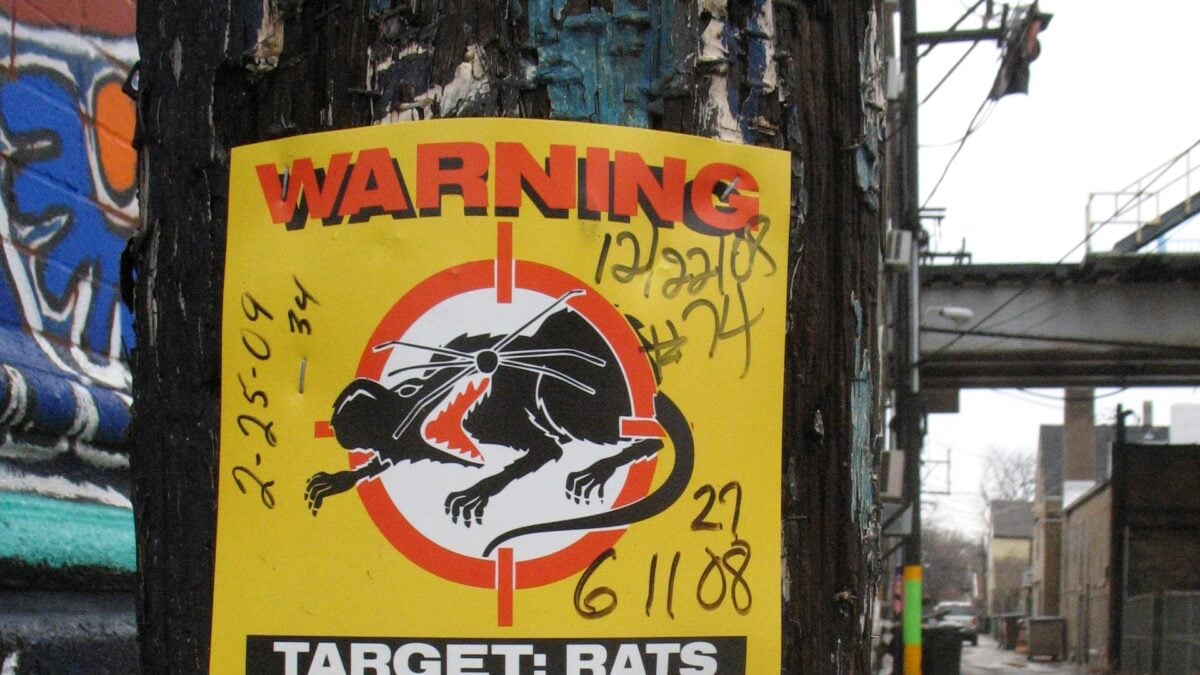
Urban parks are designed as shared sanctuaries for residents seeking a breath of fresh air, but a bizarre unfolding conflict in Chicago has turned a classic pastime into a municipal headache. Local officials in the city's 43rd Ward have formally accused 94-year-old electronics billionaire Barre Seid of creating a severe public health hazard. According to city documentation, Seid has allegedly hired contract operatives to scatter massive quantities of nuts, seeds, and other high-grade foods across his neighborhood and deep into Lincoln Park, setting off an unintended ecological chain reaction.
An Industrial-Scale Menu for Local Wildlife
What began as erratic wildlife feeding has escalated into a systematic, high-volume operation. Residents and local news crews have documented workers carrying large army-green shoulder bags filled with premium provisions. Rather than standard breadcrumbs or birdseed, eyewitnesses have reported seeing expensive, nutrient-dense foods distributed across the park grounds.
Local observers have noted the presence of luxury items like Brazil nuts and walnuts scattered at the base of trees. Pest control specialists emphasize that such high-protein, calorie-dense foods have a profound impact on local rodent dynamics. Because nuts and seeds pack substantial fats and nutrients into a long-shelf-life package, providing them in reliable, large quantities encourages rats to nest nearby, breed rapidly, and sustain massive population expansions over remarkably short cycles. Pigeons are attracted first by the abundance, and their droppings subsequently draw significant rat infestations, creating compounding sanitary challenges for the dense neighborhood.
The Limits of Municipal Fines
Despite receiving repeated tickets, fines, and formal warnings from local authorities, Seid has reportedly shrugged off the financial penalties, continuing and even scaling up his operations. For municipal governments accustomed to compliance through monetary deterrents, encountering an individual with the financial capacity to treat fines as a routine operating expense presents a profound governance hurdle.
As observers have noted regarding the glaring disparity in accountability: Isn’t it funny how they implement “dynamic pricing”, a fancy term for price gouging, for us poors which allows them to squeeze every penny out of us but they don’t apply the same logic to taxes or fines?
The sheer absurdity of the situation has drawn widespread bewilderment, particularly given Seid's background as a prominent recluse known for massive political and ideological donations. The eccentric nature of the intervention has struck many as surreal, prompting reflections on how extreme wealth interacts with civic life. As one observer remarked: If someone created a villain in fiction with this biography then you’d think it was too on the nose.
Confronting the Infestation
The city’s patience has finally worn thin. Timmy Knudsen, the alderperson representing the 43rd Ward, issued a formal letter giving Seid a strict 15-day window to halt the feeding operations entirely and implement corrective sanitation measures, including securing garbage in rodent-resistant containers. City leaders emphasize that the goal is simply to stop practices that disrupt neighborhood safety and hygiene, rather than target individuals arbitrarily.
Yet the incident opens a wider window into the frustrations of urban management when confronted with unbridled resources. Critics of modern wealth accumulation point to the episode as a striking metaphor for systemic priorities: The parasitic wealth hoarders would sooner feed rats than people.
Whether the ultimatum will successfully curb the billionaire's unusual routine remains to be seen. As the 15-day countdown ticks down, Chicago officials and Lincoln Park residents wait to see if the unprecedented feeding frenzy will finally come to an end, or if the city will be forced to test the legal boundaries of municipal enforcement against seemingly limitless capital.

